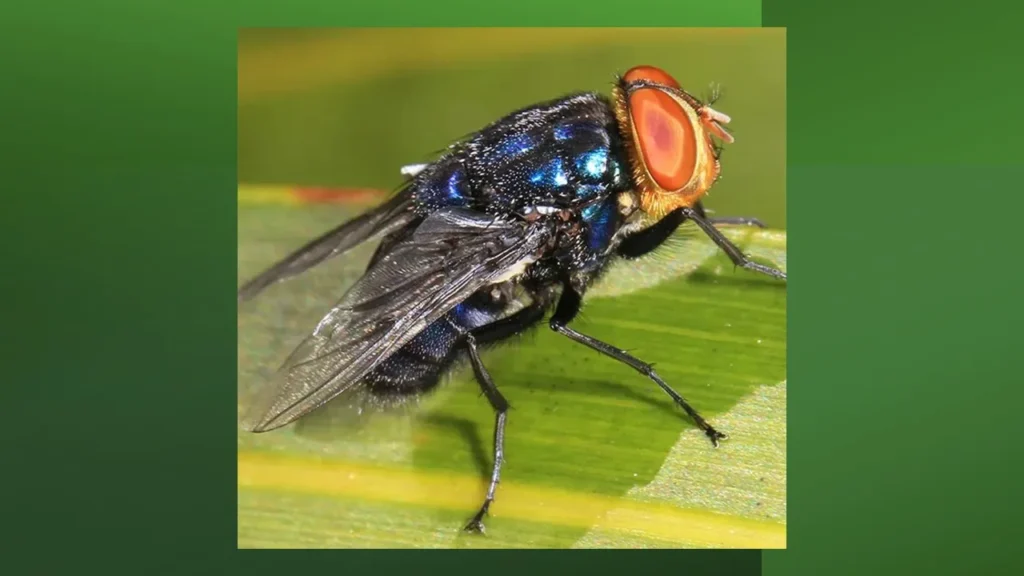
Have recent headlines about the New World screwworm caught your attention? At Taylorsville Veterinary Clinic,…

Have you ever wondered why a normally sweet pup growls during thunderstorms or why Fluffy swats at guests she’s never met? At Taylorsville Veterinary Clinic, our Mt. Airy veterinary clinic team understands that fear aggression in pets isn’t about being mean—it’s about being scared. When fear takes over, even the gentlest pets can react defensively. Learning to recognize, manage, and reduce fear-based behaviors can help both you and your furry friend live in greater harmony.
Fear aggression in dogs and cats is one of the most common behavioral challenges veterinarians see. It can appear in many forms, from a cowering dog who snaps when approached, to a cat that hides under the bed and lashes out if cornered. The good news is that fear aggression is manageable with patience, compassion, and a good understanding of why it happens. As your local vet clinic in Mt. Airy, Taylorsville Veterinary Clinic is here to help you recognize the signs and guide your furry companion toward calmer, safer behavior.
Fear aggression occurs when an animal feels threatened and believes it has no way to escape. It’s a defensive behavior, not a sign of dominance or defiance. Pets that resort to fear aggression are trying to protect themselves from a perceived danger, even if that danger isn’t real.
Common triggers for fear aggression include:
Both dogs and cats can exhibit this behavior, though they often express it differently. Your canine buddy might growl, bark, or snap, while your feline pal might hiss, swat, or retreat to a hiding spot.
Early detection is key to preventing fear-based behaviors from escalating. The signs aren’t always obvious, especially in cats who may prefer to hide their distress. Look for:
If you notice these signs, avoid forcing your furry friend into stressful situations. Instead, create distance and give them a quiet, safe space. Then, reach out to your Mt. Airy veterinarians at Taylorsville Veterinary Clinic for guidance. We can help you identify triggers and build a plan that promotes calm, positive behavior.
Fear doesn’t always manifest as aggression. Click here for a past blog article on shy dogs.
Just like people, every pet has a unique personality and life story. Some pets develop fear aggression because of early trauma or negative experiences. Others may be genetically predisposed to anxiety or may never have been properly socialized as puppies or kittens.
Environmental factors also play a big role. For example, a dog adopted from a shelter may be wary of strangers or loud noises if they’ve had limited exposure to them. Similarly, a cat raised without human contact early on might feel threatened by routine handling.
As your trusted veterinarian in Mt. Airy, we take a comprehensive approach to understanding behavior. Our team evaluates medical, environmental, and emotional factors to help determine what’s driving your pet’s fear responses.
PetMD has an article about Fido’s body language here. The ASPCA also wrote about canine aggression in this blog, which you can read here.
Helping your four-legged buddy feel secure starts with their surroundings. Make your home a place of comfort and predictability.
Here are some easy ways to do that:
Consistency and calm communication go a long way toward reducing fear. Punishing fearful behavior can make things worse by reinforcing anxiety and eroding trust.
Training should focus on confidence, not control. At Taylorsville Veterinary Clinic, our veterinarians often recommend positive reinforcement techniques to help pets overcome fear. When your canine pal learns that good things happen in once-scary situations, their fear begins to fade.
Try the following:
Patience is crucial. Progress may be slow, but each small success builds a stronger foundation of trust and security.
Cats, being the complex little creatures they are, need a different approach. Fluffy might not respond to treats the way your pooch does, but she still benefits from reassurance and routine.
Encourage confidence in your feline friend by:
If your cat’s aggression persists, it may be time to consult your local veterinary clinic for a behavioral evaluation. Our Mt. Airy vets can identify whether there’s an underlying health issue—like pain or illness—contributing to the aggression.
Fear-based aggression can sometimes lead to bites or scratches, especially if the pet feels cornered. If your pet’s fear responses have escalated to the point of danger, it’s essential to seek professional help.
Your veterinarian may recommend:
At Taylorsville Veterinary Clinic, we work closely with pet owners in Mt. Airy to find the safest, most compassionate path forward for both you and your pet.
Prevention starts in puppyhood or kittenhood. Socialization and positive experiences early in life can significantly reduce fear-related behaviors later on.
Here are some proactive steps:
Your veterinary team is one of your greatest allies in creating confident, well-adjusted pets. The earlier you start, the better the results.
You play a central role in helping your pet feel safe. Animals are sensitive to your tone, body language, and emotional state. Remaining calm and patient can help them mirror your behavior.
Avoid yelling, sudden movements, or punishment. Instead, speak gently, use reassuring tones, and give your furry pal plenty of time to adjust. When in doubt, your Mt. Airy veterinarians can demonstrate gentle handling techniques and recommend fear-free methods for home care.
If your pet is showing signs of fear aggression, don’t wait for things to escalate. Are you looking for a compassionate vet near me in Mt. Airy, MD? Taylorsville Veterinary Clinic is here to help you and your furry companion find peace and confidence again. Our veterinarians can create a personalized plan that supports your pet’s emotional and physical well-being.
Call Taylorsville Veterinary Clinic today to schedule a behavior consultation and start your journey toward a calmer, happier home.
Click here to go to our Services page and learn more about our animal hospital and the services we offer.
This blog is meant for informational purposes only. Always consult your veterinarian for professional advice, diagnosis, or treatment tailored to your pet’s needs.
Have recent headlines about the New World screwworm caught your attention? At Taylorsville Veterinary Clinic,…

Saying goodbye to a beloved pet is one of the hardest parts of sharing your…

If you’ve ever spent time around a farm, you know that barn cats are more…

Your cat might spend most of their time lounging on windowsills or claiming the comfiest…
When an emergency strikes, every second counts. Whether it’s sudden breathing trouble, a painful injury,…

You grab your keys, and suddenly your dog’s ears perk up, tail droops, and those…