Have recent headlines about the New World screwworm caught your attention? At Taylorsville Veterinary Clinic,…

Have recent headlines about the New World screwworm caught your attention? At Taylorsville Veterinary Clinic, your Mount Airy, MD, veterinary clinic, we are closely monitoring this unwelcome development. Many animal owners across the country are asking important questions about the current screwworm outbreak and whether it could affect livestock, farm animals, dogs, and cats. Although recent confirmed cases have been far from Maryland, veterinarians across the country continue monitoring developments closely. Animal health threats rarely respect state lines.
The current screwworm outbreak has become a topic of interest among livestock producers, pet owners, veterinarians, and agricultural agencies. Understanding why experts are paying attention, how the New World screwworm affects animals, what risk factors exist, and what warning signs to watch for can help you make informed decisions about the health of your cattle, farm animals, and companion animals. Staying informed is one of the most valuable tools available when emerging animal health concerns make the news.
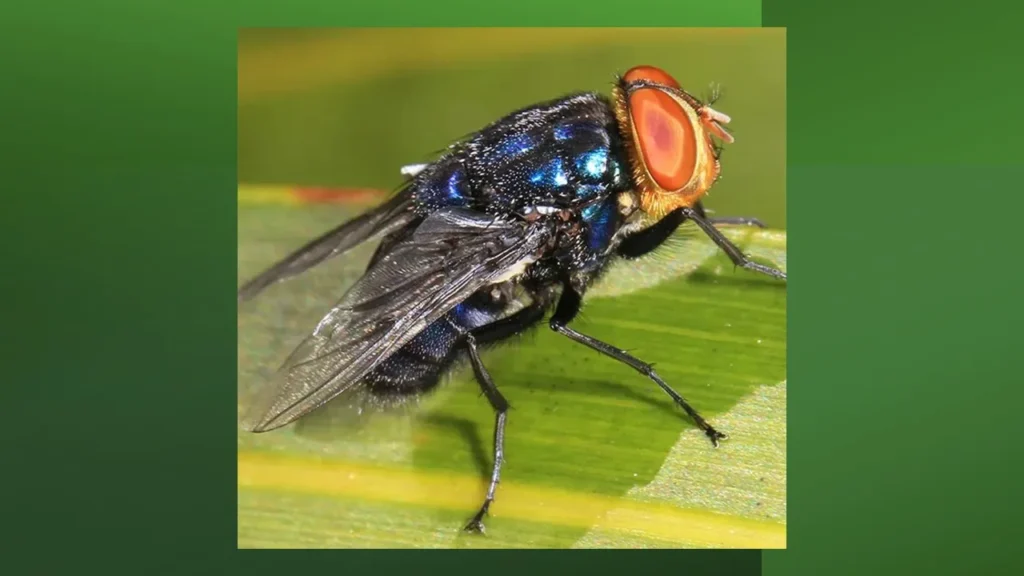
The New World screwworm is the larval stage of a fly called Cochliomyia hominivorax.
Unlike many fly larvae that feed on dead or decaying tissue, New World screwworm larvae develop in living tissue. Female flies seek out wounds or areas of damaged skin where eggs can be deposited. Once the eggs hatch, the larvae begin developing within the affected area.
This life cycle is what makes the parasite a significant concern for animal health professionals.
Historically, screwworm infestations affected cattle, horses, sheep, goats, wildlife, dogs, cats, and other animals throughout the southern United States before successful eradication efforts eliminated the parasite from the country.
Recent detections in Mexico and confirmed cases in Texas have renewed attention among veterinarians and agricultural agencies throughout North America.
Although the parasite has not become established in Maryland, veterinarians remain attentive because early detection is one of the most effective ways to limit potential spread.
Animal health officials monitor emerging diseases and parasites long before they become local problems. This proactive approach helps veterinarians educate clients, prepare response plans, and support animal health if concerns arise.
Awareness is not the same thing as alarm. Monitoring allows professionals to stay informed and respond appropriately.
Animal movement, livestock transportation, wildlife migration, and interstate commerce all contribute to the monitoring of animal health concerns.
Many diseases and parasites are not confined to a single location.
Livestock are transported to different places for various reasons.
Companion animals may travel with families or move between states during relocation.
Because of these factors, veterinarians routinely stay informed about developments occurring far beyond their immediate communities.
Veterinary professionals benefit from understanding potential threats before they appear locally.
Early awareness allows:
This preparation supports animal health at both local and national levels.
At this time, widespread screwworm infestations are not occurring in Maryland.
However, veterinarians and animal health agencies continue monitoring developments because the New World screwworm has historically affected a broad range of species.
The current focus is on prevention, surveillance, and awareness rather than responding to widespread local cases.
Understanding the parasite helps animal owners recognize when veterinary evaluation may be appropriate.
One reason veterinarians pay attention to screwworm activity is the wide variety of species that can be affected.
Cattle have historically been among the most commonly discussed species during screwworm outbreaks.
Potential risk factors include:
Routine herd monitoring remains important for livestock health.
Farm animals such as sheep, goats, and other livestock may also face risks when wounds are present.
Regular observation supports early identification of health concerns.
Dogs can develop wounds through normal daily activities.
Your canine companion may experience:
Monitoring wounds helps support healing and identify concerns early.
Outdoor cats often encounter environments where minor injuries occur.
Your feline friend may experience:
Because cats frequently hide discomfort, regular inspections can be particularly valuable.
Veterinarians monitor several factors as they discuss the current screwworm outbreak.
The New World screwworm depends on wounds or damaged skin to begin its life cycle.
Veterinarians encourage owners to pay close attention to:
Prompt wound management remains one of the most practical preventive measures.
Most wounds improve gradually over time.
A wound that becomes:
deserves veterinary evaluation.
Animals often communicate discomfort through behavior.
Potential signs include:
These signs are not specific to screwworms but may indicate the need for veterinary attention.
The United States Department of Agriculture plays a major role in monitoring and responding to screwworm activity.
Surveillance helps identify potential cases quickly.
Monitoring efforts include:
These programs help animal health officials assess risks and respond appropriately.
The original eradication effort remains one of the most successful animal health programs in history.
The Sterile Insect Technique dramatically reduced screwworm populations and ultimately eliminated the parasite from the United States.
The scientific knowledge gained through those efforts continues to guide current response strategies.
Livestock owners play an important role in animal health surveillance.
Regular herd checks help identify concerns early.
Pay close attention to:
Consistent observation allows small concerns to be addressed promptly.
Keeping records of injuries, treatments, and unusual findings can support veterinary care when concerns arise.
Documentation often provides valuable context.
If a wound appears unusual or healing seems delayed, veterinary evaluation is appropriate.
Prompt communication often leads to quicker answers.
The same practical approach applies to companion animals.
During grooming or cuddle time, examine:
These quick inspections often reveal issues before they become significant.
Hot spots, allergies, and skin infections deserve attention.
Healthy skin provides an important protective barrier.
Routine wellness visits provide opportunities to discuss emerging health concerns and preventive care recommendations.
Veterinarians follow established protocols when unusual wounds raise concerns.
The process may involve:
The goal is accurate diagnosis and appropriate management.
Screwworms do not cause most wounds, but a professional evaluation helps determine the cause.
The CDC has a downloadable PDF about symptoms caused by the New World Screwworm. You can also monitor the government’s response on the USDA’s screwworm.gov page. The University of Minnesota also has a helpful piece on protecting pets from the screwworm.
The current screwworm outbreak refers to recent detections of the New World screwworm in parts of North America. Animal health officials continue to monitor the situation to help prevent further spread.
Widespread screwworm infestations are not currently occurring in Maryland. However, veterinarians continue to monitor developments and educate animal owners about potential risks.
Animal health concerns can spread through animal movement, transportation, and other factors. Early awareness helps veterinarians stay prepared and informed.
Cattle, farm animals, dogs, cats, horses, wildlife, and other species may be affected when wounds or damaged skin are present.
Contact your veterinarian for guidance. Wounds that worsen, heal slowly, or cause discomfort deserve professional evaluation.
Understanding the current screwworm outbreak helps you stay informed about an important animal health issue affecting livestock producers and pet owners across North America. At Taylorsville Veterinary Clinic, your Mount Airy, MD animal hospital, veterinary care is available for cattle, farm animals, dogs, and cats. If you have concerns about a wound, skin condition, or your animal’s overall health, schedule an appointment today.
Searching online for a trusted vet near me in Mount Airy, MD? Taylorsville Veterinary Clinic offers comprehensive veterinary services for companion animals and livestock. Visit our services page to learn more about wellness care, diagnostics, preventive medicine, surgery, and farm-animal veterinary care.
This blog is intended for informational purposes only. Always consult your veterinarian regarding diagnosis, treatment, wound care, and preventive health recommendations for your animals. Follow your veterinarian’s guidance regarding livestock management, companion animal care, and emerging animal health concerns.
To learn more about our Mount Airy, MD animal clinic, start by visiting our Services page for a great overview of who we are and what we do. We offer a range of services, including Wellness and Vaccinations, Surgery, and more. Please feel free to contact us anytime!
Have recent headlines about the New World screwworm caught your attention? At Taylorsville Veterinary Clinic,…

Saying goodbye to a beloved pet is one of the hardest parts of sharing your…
If you’ve ever spent time around a farm, you know that barn cats are more…
Your cat might spend most of their time lounging on windowsills or claiming the comfiest…
When an emergency strikes, every second counts. Whether it’s sudden breathing trouble, a painful injury,…

You grab your keys, and suddenly your dog’s ears perk up, tail droops, and those…