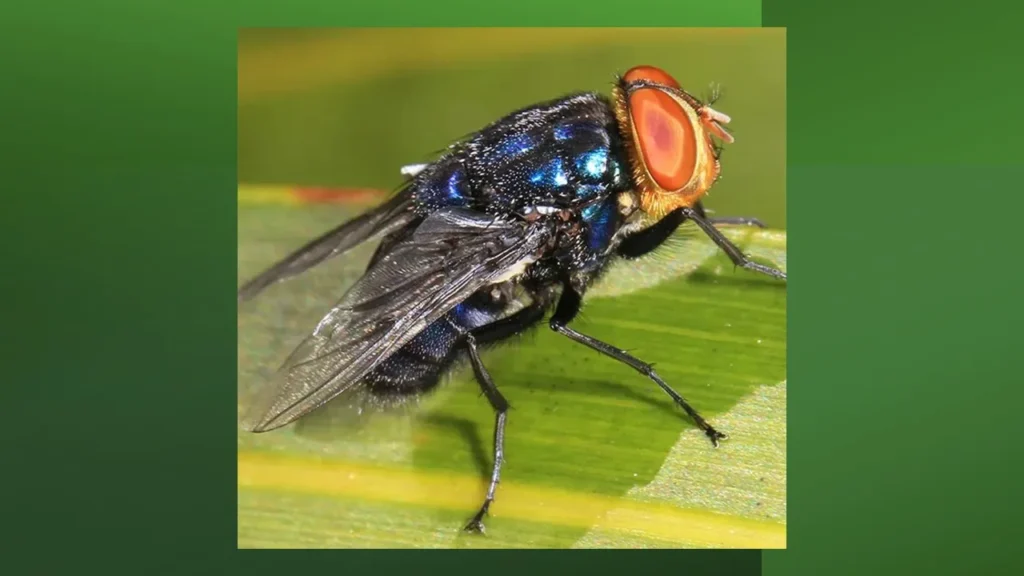
Have recent headlines about the New World screwworm caught your attention? At Taylorsville Veterinary Clinic,…

Saying goodbye to a beloved pet is one of the hardest parts of sharing your life with animals. From puppyhood or kitten days to the slower, quieter senior years, your furry friend has been a constant companion—always there with a wag, a purr, or a comforting presence on your toughest days. As pets age, they rely on you more than ever for love, patience, and understanding. At Taylorsville Veterinary Clinic, our Westminster veterinary clinic team is here to help you navigate senior pet care and end-of-life support with compassion, dignity, and guidance every step of the way.
Supporting your aging pet doesn’t just mean medical care—it means creating comfort, preserving joy, and honoring the deep bond you’ve built together.
As dogs and cats enter their golden years, their bodies and minds begin to slow down. This process is natural, but it can come with physical changes and emotional challenges for both you and your pet. Recognizing and responding to these shifts early helps you keep your furry friend comfortable and content.
Common signs of aging include:
While aging itself isn’t a disease, it can bring chronic health conditions like arthritis, kidney disease, or heart issues. Your Westminster veterinarians can help manage these changes through medication, nutrition, and gentle lifestyle adjustments that make every day a little easier for your pet.
End-of-life care, sometimes called hospice care for pets, focuses on maximizing comfort and minimizing suffering. It’s not about giving up—it’s about giving your pet peace and quality of life for as long as possible.
At this stage, your priorities shift from curing illness to providing comfort, emotional security, and gentle daily care. The goal is to make sure your senior pet feels safe, loved, and free from unnecessary pain.
Your veterinary team plays a key role in guiding you through this process, helping you make decisions with clarity and compassion.
It’s normal to question when it’s time or wonder how much your pet is truly struggling. While there’s no single sign, your observations matter most.
Veterinarians often use the Quality of Life Scale, which considers factors such as:
If you’re unsure, your Westminster veterinarians can guide you through this process with honesty and kindness. Assessments like these help you focus on your pet’s comfort rather than just longevity.
Small changes around the home can make a big difference for an elderly dog or cat’s comfort and safety.
Tips for supporting your senior pet at home:
Some pets appreciate gentle massage or heat therapy to ease joint stiffness. Always discuss new comfort measures with your veterinarian first.
Pain control is one of the most important parts of end-of-life care. Pets rarely vocalize when they’re hurting, so it’s important to watch for subtle signs like:
Your Westminster veterinary clinic can recommend medications and supplements that target pain safely. For pets with complex needs, we may also discuss advanced pain management options such as anti-inflammatory therapy, mobility aids, or even acupuncture to promote comfort naturally.
When pain is well controlled, pets often regain small joys—eating better, resting peacefully, and seeking affection again.
Caring for a senior or terminally ill pet can be emotionally exhausting. It’s natural to feel torn between hope, guilt, and grief. Remember, your compassion and care are what matter most to your pet in this stage.
Ways to stay emotionally grounded:
Your pet senses your emotions. Remaining calm, even when you feel heartbroken, helps them feel secure and loved.
Hospice care allows you to care for your pet at home under veterinary guidance. It focuses on comfort and maintaining dignity rather than aggressive treatment.
This may include:
Your Taylorsville Veterinary Clinic team can create a personalized hospice care plan that matches your pet’s needs and your family’s capacity for home care.
Perhaps the most difficult part of end-of-life care is deciding when to say goodbye. No one can make this choice for you—but your veterinarian can help you interpret the signs and understand your options.
When your pet’s pain outweighs their comfort, or when joy disappears from daily life, humane euthanasia may be the kindest act of love. It’s a peaceful, painless process designed to end suffering and allow your pet to rest with dignity.
At Taylorsville Veterinary Clinic, our team in Westminster approaches every euthanasia discussion with empathy and respect. We’ll walk you through each step, answer your questions, and make sure your pet feels safe and comforted until the very end.
Finding ways to honor your pet’s life can help you heal after loss. Many families find comfort in:
These acts turn grief into gratitude, reminding you that your pet’s love and companionship will always be part of your life.
If you have multiple pets, they may also grieve when one passes. Changes in behavior—such as searching, vocalizing, or loss of appetite—are common.
You can help by:
Animals grieve in their own way, just like humans, and with time, most regain balance and comfort.
The ASPCA wrote about end of life care here. The American Veterinary Medical Association wrote about end of life care in this blog.
Even in their final stages, pets can form new habits and connections. Studies show that older dogs and cats can still learn simple commands, recognize emotional cues, and find joy in gentle engagement. A short walk or soft brushing session can bring comfort and spark familiar affection right up to the end.
How do I know when my pet is in pain?
Watch for subtle changes—restlessness, vocalization, reluctance to move, or hiding. Your vet can evaluate and adjust pain management as needed.
Can my pet stay at home for hospice care?
Yes. With veterinary guidance, you can provide medications, nutrition, and comfort in a familiar, peaceful environment.
What happens during euthanasia?
Your veterinarian will explain every step. The process is gentle, quick, and free from pain. Most pets fall asleep within seconds, surrounded by loved ones.
Is it normal to feel guilty about the decision?
Yes. Almost every pet parent feels this way. Remember, choosing peace for your pet is an act of love, not failure.
How can I help my pet’s final days feel special?
Focus on what brings them joy—quiet cuddles, favorite foods, or time in the sunshine. These moments matter more than you realize.
Every pet deserves comfort, dignity, and love in their final chapter. Are you searching for a compassionate vet near me in Westminster, MD? Taylorsville Veterinary Clinic offers supportive senior pet care, hospice guidance, and end-of-life counseling to help you and your furry companion through this delicate time.
Call our Westminster veterinary clinic today to discuss pain management, comfort care options, or compassionate end-of-life planning. Together, we’ll make sure your pet’s final days are filled with peace and love.
Click here to go to our Services page and learn more about our animal hospital and the services we offer.
This blog is intended for informational purposes only. Always consult your veterinarian for medical advice and end-of-life care guidance tailored to your pet’s needs.
Have recent headlines about the New World screwworm caught your attention? At Taylorsville Veterinary Clinic,…

Saying goodbye to a beloved pet is one of the hardest parts of sharing your…

If you’ve ever spent time around a farm, you know that barn cats are more…

Your cat might spend most of their time lounging on windowsills or claiming the comfiest…
When an emergency strikes, every second counts. Whether it’s sudden breathing trouble, a painful injury,…

You grab your keys, and suddenly your dog’s ears perk up, tail droops, and those…