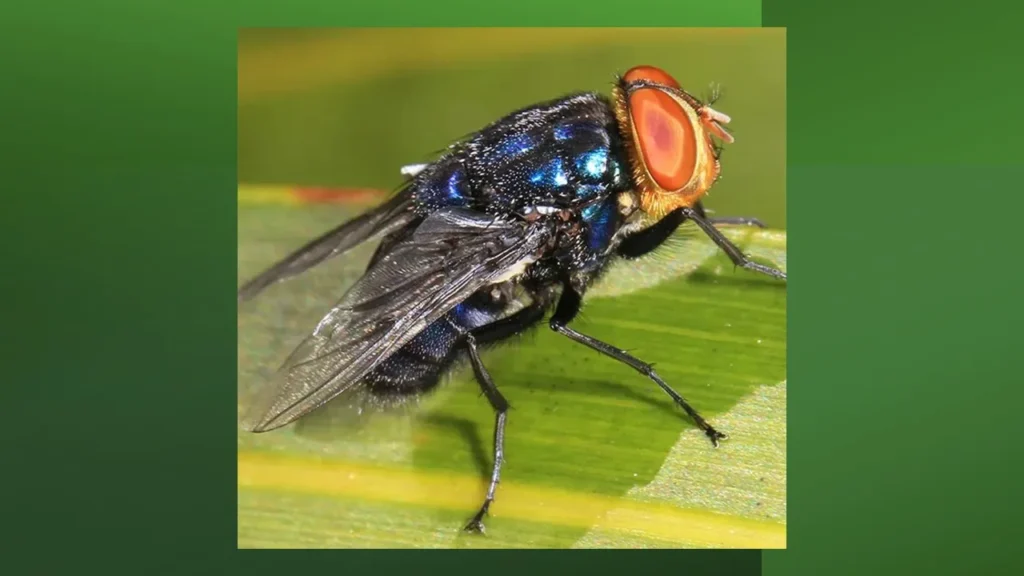
Have recent headlines about the New World screwworm caught your attention? At Taylorsville Veterinary Clinic,…

Whether it’s the wag of a tail or the slow blink of a cat’s eyes, our pets have their own beautiful ways of showing affection. But sometimes, life gets busy, and that special bond can start to feel routine. At Taylorsville Veterinary Clinic in Mt. Airy, MD, we believe that strong connections between pets and their families form the foundation of happy, healthy lives. With a little time, understanding, and positive interaction, you can strengthen your relationship and make every day more rewarding—for both of you.
The relationship you share with your furry friend goes beyond companionship—it has emotional and physical health benefits for both of you. Studies show that pet owners experience lower stress levels, improved mood, and even better heart health. For pets, strong bonds lead to greater confidence, better behavior, and longer lifespans.
When you nurture trust and communication, you create an environment where your pet feels safe, understood, and loved. That’s what pet bonding is all about—building a relationship rooted in care, patience, and fun.
Just like people, every pet expresses affection differently. Recognizing their “love language” can help you connect on a deeper level.
Dogs thrive on interaction and physical closeness. They show love through wagging tails, leaning against you, or simply following you from room to room. For your canine friend:
Cats often bond through routine and subtle gestures. They might head-butt, knead, or sit nearby as a sign of affection. For your feline pal:
Building a better bond begins with understanding your pet’s cues. Learn to “listen” to their body language, sounds, and reactions.
Responding appropriately reinforces that your pet’s feelings are valid and that you’re tuned in to their needs.
In our busy lives, quality time with pets can sometimes take a backseat—but even small moments count.
Your consistent attention tells your pet they’re an important part of your family’s rhythm.
Training isn’t just about teaching commands—it’s about communication. Using positive reinforcement helps your pet feel secure and valued.
The result? A well-behaved, confident pet who sees you as a trusted leader and companion.
Mental stimulation strengthens your pet’s confidence and reduces boredom-related misbehavior.
Enrichment not only entertains your pet but also reinforces your role as their provider and playmate.
Sometimes, rescue pets, older animals, or shy companions take longer to open up. That’s okay—bonding isn’t about speed; it’s about trust.
If your pet shows ongoing fear or behavior changes, Taylorsville Veterinary Clinic in Mt. Airy, MD can evaluate for underlying health issues or refer you to a professional trainer or behaviorist.
If you have other pets, you may also need to help them befriend each other. Click here for our blog on Why Some Pets Get Jealous and How to Help.
Every animal is different. Some bond in days, while others may take weeks or months. Consistency and kindness are key.
Absolutely. Many cats prefer showing affection through proximity or play rather than cuddling. Respecting their boundaries strengthens trust.
Encourage everyone in the home to participate in feeding, play, and training to balance attention and authority.
Yes! Senior pets appreciate gentle affection and routine. Bonding may even ease anxiety and boost their quality of life.
Learn more about bonding with a cat at the PetMD website here. The Houston SPCA site also has a good piece on bonding with pets, which you can read here.
A strong bond between you and your pet makes every tail wag, purr, and nuzzle even more meaningful. At Taylorsville Veterinary Clinic in Mt. Airy, MD, we’re here to help you strengthen that connection with expert pet behavior training, wellness care, and practical guidance for daily life. If you’ve been searching for a vet near me, schedule a visit today to learn how to deepen your relationship and enjoy every moment with your loyal companion.
Click here to go to our Services page and learn more about our animal hospital and the services we offer.
This blog is intended for informational purposes only. Always consult your veterinarian for professional advice about your pet’s behavior, health, and care.
Have recent headlines about the New World screwworm caught your attention? At Taylorsville Veterinary Clinic,…

Saying goodbye to a beloved pet is one of the hardest parts of sharing your…

If you’ve ever spent time around a farm, you know that barn cats are more…

Your cat might spend most of their time lounging on windowsills or claiming the comfiest…
When an emergency strikes, every second counts. Whether it’s sudden breathing trouble, a painful injury,…

You grab your keys, and suddenly your dog’s ears perk up, tail droops, and those…