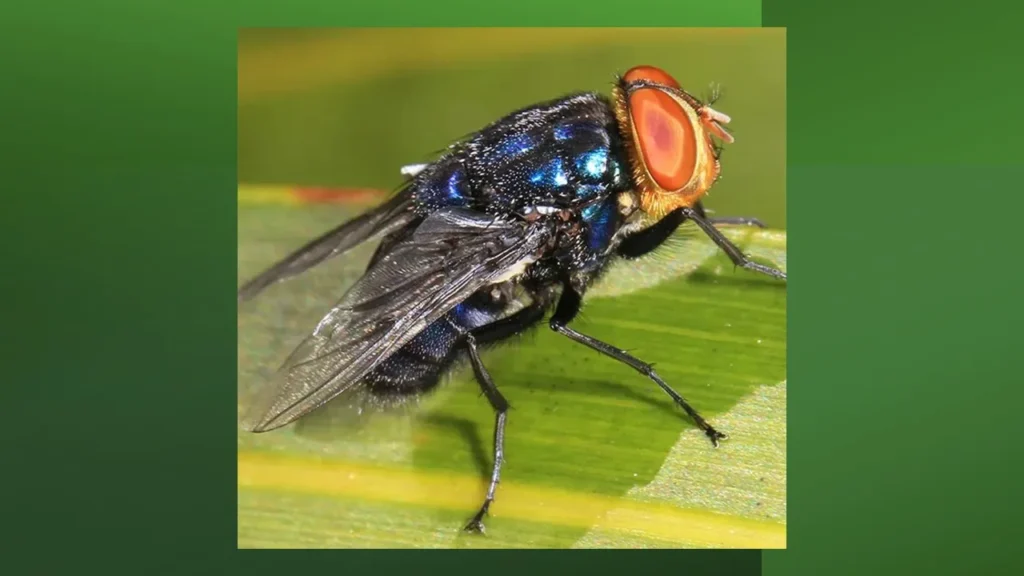
Have recent headlines about the New World screwworm caught your attention? At Taylorsville Veterinary Clinic,…

Do you ever notice your pup giving you those irresistible eyes for just one more treat? Or maybe your cat has perfected the art of lounging in the sun all day between snack breaks. While those habits might seem harmless, a few extra pounds can have a big impact on your pet’s health. At Taylorsville Veterinary Clinic, our Mt. Airy veterinary clinic knows that pet obesity prevention is one of the most important—and often overlooked—aspects of long-term wellness.
Keeping your furry friend at a healthy weight doesn’t have to be difficult or restrictive. It’s about creating balanced habits and understanding what your pet truly needs. With the right nutrition, regular exercise, and guidance from your trusted veterinarians in Mt. Airy, you can help your cat or dog live a longer, happier, and more active life.
According to the Association for Pet Obesity Prevention, more than half of U.S. cats and dogs are overweight or obese. That means millions of furry companions are carrying extra pounds that quietly strain their hearts, joints, and metabolism.
Obesity can increase the risk of:
Because many pets gain weight gradually, it can be easy to miss. What starts as a little extra fluff can eventually cause serious health problems. That’s why your Mt. Airy vets emphasize prevention over treatment—it’s far easier to maintain a healthy weight than to reverse obesity.
Every breed and body type is different, so ideal weight isn’t one-size-fits-all. However, there are a few easy ways to tell if your pet may be tipping the scale.
You should be able to:
If your furry pal looks more barrel-shaped or you can’t find their ribs, it may be time to schedule a weight check with your Mt. Airy veterinary clinic. Taylorsville Veterinary Clinic can assess your pet’s body condition score and create a customized wellness plan to get them back on track.
Nutrition is the cornerstone of healthy pet weight management. Many pets gain weight because they’re eating too much or consuming calorie-dense foods not suited to their energy needs.
A few helpful guidelines include:
For overweight pets, switching to a diet formulated for weight control can make a big difference. These foods are designed to keep your furry bestie feeling full with fewer calories.
Your veterinarians at Taylorsville Veterinary Clinic can calculate your pet’s caloric requirements and help select a balanced diet that supports gradual, sustainable weight loss.
Click here for another one of our blogs on nutrition.
Weight loss for pets doesn’t have to be boring. It can actually be a great opportunity to bond. Regular physical activity burns calories, improves mood, and strengthens your relationship with your pet.
For dogs:
For cats:
Even 15 minutes of active play twice a day can make a measurable difference. The goal is consistency—just like people, pets benefit from regular, moderate exercise rather than sporadic bursts.
The Association For Pet Obesity Prevention has some great information on pet body scoring on their site here. PetMD has a very informative article about obesity in cats, which you can read here.
Feeding guidelines on pet food labels are often based on ideal body weight, not current weight, and they tend to overestimate. If you’re unsure how much to feed, bring your pet’s food and treat list to your next visit. Your Mt. Airy veterinarians can help determine appropriate portions.
Try these simple strategies to manage intake:
These techniques promote mindful eating habits that benefit both dogs and cats.
If you have more than one pet, feeding can get tricky. One pet may finish their food and sneak over to another’s bowl. To prevent overeating:
Individual feeding routines make it easier to track who’s eating what and ensure that everyone gets the right nutrition.
Your veterinarian is your best ally in pet obesity prevention. Regular wellness exams allow early detection of weight gain and related health issues.
During visits, your Mt. Airy veterinary clinic can:
Maintaining an ongoing partnership with your vet ensures your pet stays at a healthy weight throughout all life stages.
Emotional factors can play a surprising role in pet weight gain. Pets that are bored, anxious, or left alone for long periods may overeat or rely on food for comfort.
Try incorporating mental stimulation to reduce boredom-based snacking:
By replacing idle time with enrichment activities, you help your furry pal stay both mentally and physically fit.
Weight loss should be gradual. A good rate is typically 1–2% of body weight per week. Rapid loss can be dangerous, especially for cats, as it may cause liver problems.
Keep a journal or use a pet health app to track:
Your veterinarians at Taylorsville Veterinary Clinic can adjust your pet’s plan every few weeks based on progress. Small, consistent efforts lead to lasting results.
Believe it or not, a happy dog burns extra energy just by wagging their tail. While it won’t replace daily walks, those joyful tail wags are another reminder that physical and emotional health go hand in hand.
Once your pet reaches their ideal weight, it’s important to maintain those healthy habits. Continue measuring meals, scheduling exercise, and checking in with your vet regularly.
Maintenance means:
Consistency is key. WIth some due diligence and proper care, your pet will thrive with structure, routine, and your support.
Helping your furry friend stay fit doesn’t have to be overwhelming. Are you searching for a caring vet near me in Mt. Airy, MD? Taylorsville Veterinary Clinic offers personalized weight management plans for dogs and cats, including nutrition counseling, exercise recommendations, and regular health monitoring.
Call our Mt. Airy veterinary clinic today to schedule your pet’s wellness exam. Together, we can help your pet reach and maintain a healthy weight, which will help keep them playful, energetic, and happy for years to come.
Click here to go to our Services page and learn more about our animal hospital and the services we offer.
This blog is intended for informational purposes only. Always consult your veterinarian for individualized medical advice, diagnosis, or treatment tailored to your pet’s needs.
Have recent headlines about the New World screwworm caught your attention? At Taylorsville Veterinary Clinic,…

Saying goodbye to a beloved pet is one of the hardest parts of sharing your…

If you’ve ever spent time around a farm, you know that barn cats are more…

Your cat might spend most of their time lounging on windowsills or claiming the comfiest…
When an emergency strikes, every second counts. Whether it’s sudden breathing trouble, a painful injury,…

You grab your keys, and suddenly your dog’s ears perk up, tail droops, and those…