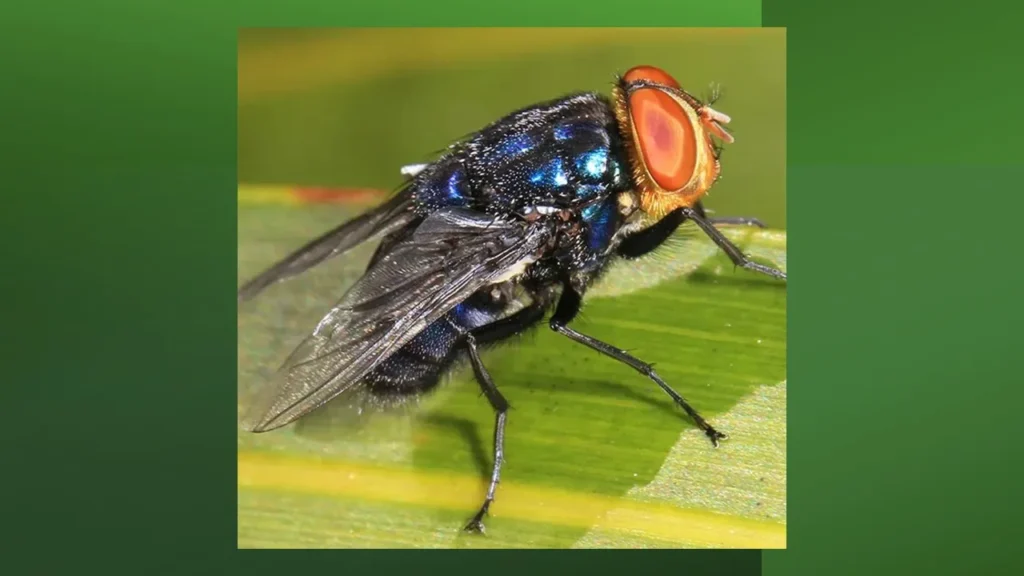
Have recent headlines about the New World screwworm caught your attention? At Taylorsville Veterinary Clinic,…

Running a farm means working long hours, braving all kinds of weather, and caring deeply for the animals that sustain your livelihood. Whether you manage a few head of cattle or a full barnyard, keeping your herd healthy takes planning, observation, and preventive care. At Taylorsville Veterinary Clinic, our Mt. Airy veterinary clinic team knows that proactive farm animal wellness isn’t just good practice—it’s essential for productivity and peace of mind.
From routine health checks to nutrition and parasite prevention, a strong herd health management plan can prevent illness before it starts. Our veterinarians partner with local farmers across Mt. Airy and the surrounding areas to keep livestock strong, fertile, and thriving all year long.
Farm animal wellness goes far beyond treating disease. It’s a proactive approach that focuses on prevention, early detection, and long-term care. By investing in wellness now, you save time, reduce costs, and protect both animal welfare and farm profitability.
A good livestock wellness care program includes:
Every farm is unique, which means every herd health plan should be, too. At Taylorsville Veterinary Clinic, we tailor our herd care programs to your animals’ needs—whether that means dairy cows, beef cattle, goats, sheep, or other livestock.
Preventive medicine is the cornerstone of animal health. Just as routine checkups keep companion animals healthy, regular herd visits from your veterinarian help identify small problems before they become major issues.
During wellness exams, our Mt. Airy veterinarians assess:
Establishing a relationship with a trusted farm vet allows for continuity of care and more effective treatment plans. The sooner we detect changes in appetite, milk production, or behavior, the quicker we can intervene.
A herd’s overall health depends on more than individual animals—it’s about the collective balance of nutrition, housing, environment, and disease control. Consistency across the entire herd keeps diseases from spreading and performance steady.
Key steps in herd health management include:
Even simple practices like isolating new or sick animals can make a major difference in protecting your herd from contagious diseases.
Good feed equals good health. Nutrition plays a pivotal role in growth, milk yield, reproduction, and immune strength. Work with your veterinarian or nutrition specialist to develop rations that provide appropriate protein, vitamins, and minerals for your herd’s life stage and production goals.
Common nutritional wellness tips:
Proper nutrition boosts productivity while preventing costly metabolic diseases like ketosis, acidosis, and milk fever.
Parasites can take a significant toll on herd health, even when not visible. Internal parasites (like worms) and external pests (like lice and flies) can cause anemia, weight loss, and reduced fertility.
A strong parasite prevention program includes:
At Taylorsville Veterinary Clinic, we can design a parasite control plan that fits your farm’s environment and herd dynamics.
Vaccination remains one of the most effective ways to prevent serious illness in livestock. Each farm’s vaccination schedule depends on species, herd size, production goals, and disease prevalence in the region.
Our Mt. Airy veterinarians can review your current program and make sure your herd is protected against the right risks for your operation.
Strong reproductive health equals a sustainable herd. Regular veterinary reproductive exams help identify fertility issues early and ensure safe, successful pregnancies.
Farm reproductive care may include:
Consistent records of breeding and birth dates help you monitor patterns, optimize productivity, and predict herd needs year-round.
A clean, well-ventilated environment is key to reducing respiratory disease and promoting comfort. Whether your animals are in barns, paddocks, or open pastures, focus on minimizing overcrowding and maintaining proper drainage.
Tips for better housing:
A well-maintained environment reduces injury risk and supports long-term herd wellness.
Farmers know their animals best. They’re often the first to spot when something’s not right. Early intervention can save lives.
Contact your veterinarian if you notice:
Recording daily observations helps identify trends and track recovery progress. Taylorsville Veterinary Clinic can help you establish simple health logs for your operation.
Even the best wellness plan can’t prevent every emergency. Having a plan in place for injuries, weather events, or sudden illness is essential.
Your emergency prep checklist should include:
Our Mt. Airy veterinary team offers guidance on emergency readiness, so you’re never caught unprepared when your animals need help most.
Studies show that cattle form strong social bonds—and even show signs of stress when separated from their preferred companions. Maintaining stable groupings and avoiding unnecessary separation can reduce anxiety and support herd harmony.
Accurate records are a farmer’s best friend. Tracking feed, vaccinations, and breeding cycles helps detect issues before they escalate.
Keep detailed notes on:
Good records make veterinary consultations more efficient and improve decision-making across the farm.
A strong partnership with your veterinarian keeps your farm running smoothly. Regular communication ensures that wellness plans remain up to date as your herd and operation evolve.
Your Mt. Airy veterinarians can:
At Taylorsville Veterinary Clinic, we pride ourselves on being part of your agricultural team—not just your emergency contact.
Want to learn more? Click here for our past blog article on sheep care.Cornell University College of Veterinary Medicine has a helpful article about farm animal sanitation, which you can read here. Agricdemy also has a piece on this, which you can find here.
Healthy animals mean a healthy farm. Are you looking for an experienced farm vet near me in Mt. Airy, MD? Taylorsville Veterinary Clinic is proud to support local farmers with compassionate, comprehensive livestock wellness care. From preventive medicine to emergency support, we’re here to keep your herd in peak condition all year long.
Call our Mt. Airy veterinary clinic today to schedule a herd wellness consultation and learn how we can help your animals thrive with proactive, professional care.
Click here to go to our Services page and learn more about our animal hospital and the services we offer.
This blog is intended for informational purposes only. Always consult your veterinarian for specific advice, diagnosis, or treatment tailored to your herd’s needs.
Have recent headlines about the New World screwworm caught your attention? At Taylorsville Veterinary Clinic,…

Saying goodbye to a beloved pet is one of the hardest parts of sharing your…

If you’ve ever spent time around a farm, you know that barn cats are more…

Your cat might spend most of their time lounging on windowsills or claiming the comfiest…
When an emergency strikes, every second counts. Whether it’s sudden breathing trouble, a painful injury,…

You grab your keys, and suddenly your dog’s ears perk up, tail droops, and those…