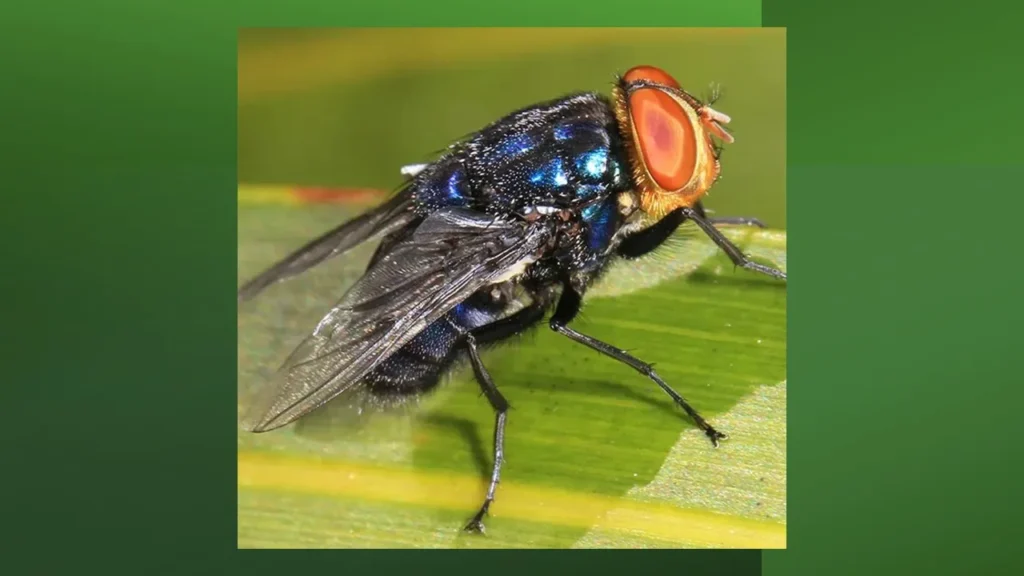
Have recent headlines about the New World screwworm caught your attention? At Taylorsville Veterinary Clinic,…

At Taylorsville Veterinary Clinic in Mt. Airy, MD, we know that cats aren’t just pets—they’re meowing, purring royalty. Your feline overlord might act like she has nine lives, but the truth is, she only gets one, and she depends on you and your trusted veterinarian to stay healthy, happy, and purring. That’s where cat preventive care comes in. From understanding the importance of annual exams for indoor cats to choosing the best vaccinations for cats, our experienced vets are here to help every Fluffy in your life live her best nine lives.
And yes, even if your kitty never sets paw outdoors, she still needs regular visits to our veterinary clinic for checkups, wellness screenings, and care customized to her unique quirks.
Cats are experts at hiding pain and illness—some might say it’s their superpower. But that means problems often go unnoticed until they’re advanced. That’s why proactive cat preventive care is key.
Fun fact: Cats sleep 12–16 hours a day, but if you notice your feline pal suddenly sleeping more (or less), it could be an early sign of a health issue.
During a wellness exam, we check your kitty from nose to tail, looking for early signs of disease and assessing her overall well-being. Our animal hospital takes a low-stress approach to feline care, keeping things calm and comfortable for your kitty.
A typical visit includes:
We’ll also ask about appetite, litter box habits, and any behavioral changes—because your feline companion may not tell us directly, but she’ll tell you.
It’s a common myth that indoor cats don’t need vet visits. In reality, many conditions affect indoor cats just as much as outdoor ones—sometimes more, because their symptoms go unnoticed longer.
Indoor kitties still face risks from:
Our vets recommend annual exams for indoor cats starting at age one, and semiannual visits for senior cats (age 7 and up).
Regular visits help us catch changes early and tailor care to your feline friend’s stage of life.
Not all cats need the same vaccines. Our veterinarians will guide you based on age, lifestyle, and risk factors. Core and optional vaccines include:
We’ll create a vaccination schedule that keeps your kitty safe without overdoing it—because preventive care should be personalized.
Caring for your feline bestie goes beyond checkups. Here are a few more vet-approved tips to keep her healthy between visits:
Fun fact: A cat’s purr frequency (25 to 150 Hz) has been shown to promote healing. Those same frequencies are used in physical therapy! Let Fluffy snuggle up when you’re feeling down.
At least once a year for adults, and twice yearly for seniors or cats with chronic conditions. Kittens need several visits in their first year.
Yes. Rabies and FVRCP are core vaccines that protect against severe diseases, and even indoor cats can be exposed via other pets, insects, or sneaky escapes. Ask your vet for more information.
Absolutely. Dental disease is one of the most common feline health issues and can lead to pain, infection, and even organ damage.
Bring Fluffy in a carrier lined with a familiar blanket. Use pheromone sprays, and try to schedule appointments during quieter times. We use low-stress handling techniques to help her feel secure.
For senior cats or those with symptoms, yes. Bloodwork helps detect issues like thyroid disease or kidney problems before they cause visible signs.
Your kitty deserves the best—and that starts with consistent cat preventive care. At Taylorsville Veterinary Clinic in Mt. Airy, MD, we’re proud to be your neighborhood vet near me providing low-stress exams and customized care for every stage of your feline’s life. Whether you’ve got a playful kitten, a mellow senior, or a queen of the couch, we’re here to help her live purr-fectly well.
Schedule her next wellness visit with our compassionate team today—you’ll both be glad you did.
This blog is intended for informational purposes only. Always consult your veterinarian for advice, diagnosis, or treatment tailored to your pet’s individual needs.
Have recent headlines about the New World screwworm caught your attention? At Taylorsville Veterinary Clinic,…

Saying goodbye to a beloved pet is one of the hardest parts of sharing your…
If you’ve ever spent time around a farm, you know that barn cats are more…
Your cat might spend most of their time lounging on windowsills or claiming the comfiest…
When an emergency strikes, every second counts. Whether it’s sudden breathing trouble, a painful injury,…

You grab your keys, and suddenly your dog’s ears perk up, tail droops, and those…