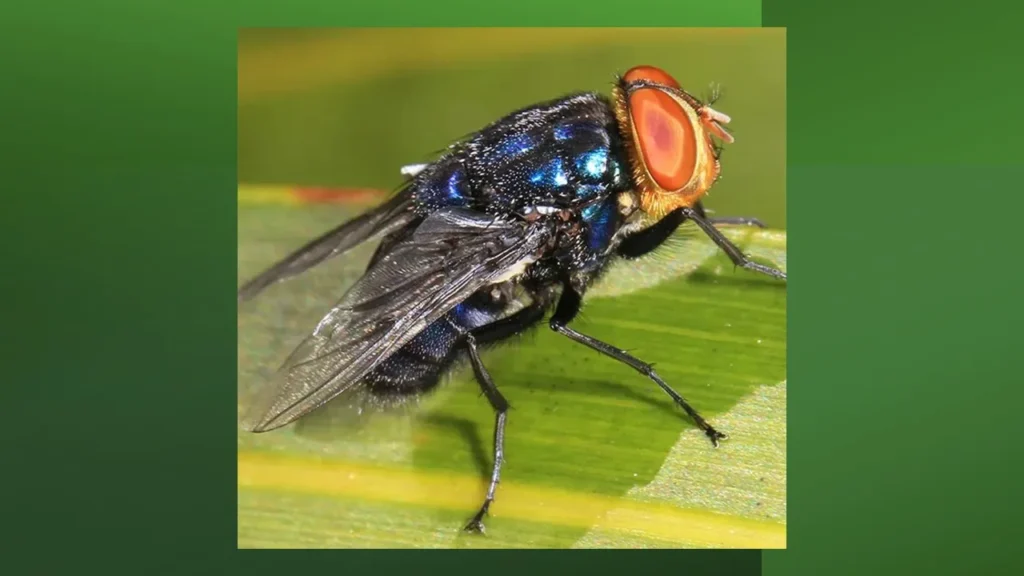
Have recent headlines about the New World screwworm caught your attention? At Taylorsville Veterinary Clinic,…

At Taylorsville Veterinary Clinic in Mt. Airy, MD, we know that goats are more than just barnyard residents—they’re curious, clever, and absolutely charming. Whether you’re raising a few dairy does, managing a breeding herd, or simply enjoying the companionship of a few backyard caprines, proper goat health care is essential. As your trusted vet clinic, we’re here to guide you on everything from parasite prevention in goats to recognizing the signs of illness in goats—and when to call a farm vet for goats. Our experienced vets and dedicated team provide the support you need to help Floppy and friends thrive.
Goats may be hardy, but that doesn’t mean they’re low-maintenance. Their natural curiosity often leads them into trouble, and their tendency to hide symptoms can make health issues tricky to catch. That’s why working with your veterinarian for regular wellness care is so important.
Fun fact: Goats have rectangular pupils, which help them see predators from nearly 320 degrees around them. They’re sharp-eyed—but still need our help staying well!
An annual wellness exam with your local veterinary clinic is the foundation of excellent goat health care. At Taylorsville Veterinary Clinic, we tailor every visit to your herd’s unique needs.
Here’s what we typically cover:
And yes, even the most stubborn nanny goat can benefit from a vet check—no offense, Floppy!
Goats are particularly prone to internal parasites, and resistance to dewormers is a growing concern.
Signs your goat might have a heavy parasite load include:
Our vets will help you set up a fecal monitoring schedule and select the safest, most effective dewormers—because blindly rotating meds is so 1990s.
While goats can be stealthy about feeling unwell, they do show clues if you know what to watch for. Here are red flags that warrant a call to your vet clinic:
Goats are also very social, so pay attention if one of your hooved pals is off by itself.
The golden rule? If Billy’s behavior changes suddenly or she just seems “off,” trust your gut and call us. We’ll guide you on next steps.
Good nutrition is critical to maintaining a healthy herd. Contrary to myth, goats don’t eat everything (tin cans included)—but they are picky browsers.
Did you know? Goats have four stomach compartments, just like cows, and require a high-fiber diet to keep their rumens happy.
Sometimes you need more than a quick answer from Google. That’s where our field-experienced veterinarians come in. We’re equipped to visit your farm for:
At Taylorsville Veterinary Clinic, we love our small ruminant patients and are happy to work with herds of all sizes.
At least once per year for a wellness exam and more often for herd health issues or individual concerns. Breeding animals may need additional visits.
CD&T (Clostridium perfringens Types C & D + Tetanus) is the standard. Depending on risk factors, we may recommend rabies or pneumonia vaccines.
Only under veterinary guidance. Overuse of dewormers causes resistance. Fecal testing helps determine whether deworming is necessary.
With patience, practice, and a sharp hoof trimmer! We’re happy to demonstrate the proper technique during a wellness visit.
Yes—shade and dry bedding are crucial in all seasons. Goats hate getting wet and need protection from extreme temps.
When it comes to goat health care, don’t goat it alone. At Taylorsville Veterinary Clinic in Mt. Airy, MD, we’re your go-to vet near me for expert care, routine wellness, and compassionate support. From preventative plans to emergency calls, our team of trusted veterinarians is here to keep your four-legged herd safe, sound, and strong.
Call today to schedule your next goat wellness visit—because Floppy deserves nothing less than the best!
This blog is meant to be informational only. Please consult your veterinarian for proper diagnosis, treatment, or care plan specific to your animal’s health.
Have recent headlines about the New World screwworm caught your attention? At Taylorsville Veterinary Clinic,…

Saying goodbye to a beloved pet is one of the hardest parts of sharing your…
If you’ve ever spent time around a farm, you know that barn cats are more…
Your cat might spend most of their time lounging on windowsills or claiming the comfiest…
When an emergency strikes, every second counts. Whether it’s sudden breathing trouble, a painful injury,…

You grab your keys, and suddenly your dog’s ears perk up, tail droops, and those…