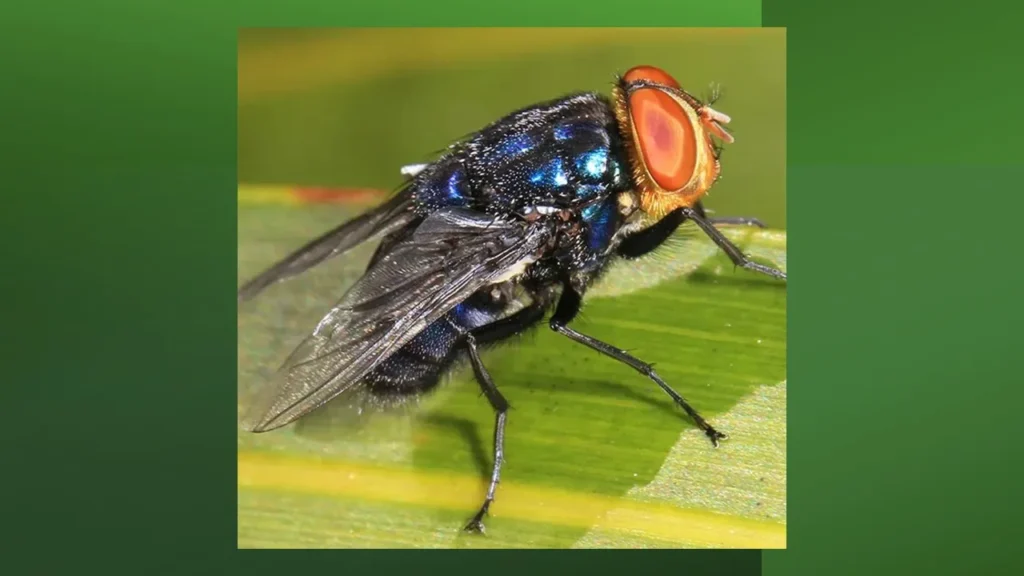
Have recent headlines about the New World screwworm caught your attention? At Taylorsville Veterinary Clinic,…

At Taylorsville Veterinary Clinic in Mt. Airy, MD, we take bovine veterinary care seriously—because a healthy herd is the heart of any thriving farm. Whether you’re raising a few backyard cows or managing a larger operation, ensuring your cattle receive proper care is essential. That means understanding common cow health issues, implementing seasonal cattle care tips, and knowing when to call a large animal vet. As your local vet clinic, we’re proud to be the veterinarian near you offering compassionate, comprehensive care for every member of your barnyard.
A cow’s health isn’t just about avoiding illness—it’s about optimizing her performance, reproductive success, and longevity. Preventative care is the cornerstone of responsible herd management. Our vets at Taylorsville Veterinary Clinic work closely with cattle owners to craft custom wellness plans for every season.
Did you know? A cow’s body temperature is usually around 101.5°F. Just a 2-degree change could be an early warning sign of illness—one of the many reasons regular checkups are vital.
The sooner you spot problems, the sooner your veterinarian can intervene. Here are some of the most frequently encountered bovine health concerns:
Tip: Watch for changes in appetite, behavior, or gait. If Bessie’s not chewing her cud or seems sluggish, don’t wait—reach out to your local vet.
Each season presents new challenges for your herd. Here’s how to stay ahead of them:
Fun fact: Cows grow a thick winter coat, but it’s not a substitute for proper shelter when the thermometer plummets!
Not every bump or sniffle needs immediate vet attention—but some absolutely do. Here’s when it’s time to ring us at Taylorsville Veterinary Clinic:
Remember: The earlier we intervene, the better the outcome for your four-legged farmhands.
Even with ideal pastures, most cattle benefit from nutritional supplementation. We’ll help you build a balanced feeding program with adequate protein, minerals, and fiber.
A herd health plan is a year-long agreement between you and your veterinary clinic that includes routine visits, vaccinations, pregnancy checks, and deworming protocols. At Taylorsville Veterinary Clinic, we tailor these plans to fit each farm’s size and goals.
Why wait for an emergency? Prevention is better than the cure, especially with animals that don’t always show illness until it’s advanced.
At minimum, cattle should be evaluated annually. However, young stock, breeding animals, and those with chronic issues may need more frequent exams.
We check weight, body condition, coat quality, dental health, hoof health, reproductive status, and look for early signs of disease or injury.
Absolutely. Core vaccines protect against diseases like blackleg, leptospirosis, and respiratory infections, and they’re a critical part of any herd health plan.
Yes, we offer large animal emergency care in Mt. Airy, MD area. Call us if you have concerns—we’ll walk you through what’s needed.
Caring for cattle takes knowledge, dedication, and a trusted vet near me—and that’s where we come in. At Taylorsville Veterinary Clinic in Mt. Airy, MD, we specialize in bovine veterinary care designed to support long-term herd health. Whether you’re managing a handful of heifers or a commercial dairy, our team of experienced veterinarians is here to help.
Don’t wait for a crisis—schedule your cattle’s next wellness exam today and keep your herd one step ahead.
This blog is intended for informational purposes only. Always consult your veterinarian for medical advice, diagnosis, or treatment tailored to your animals’ needs.
Have recent headlines about the New World screwworm caught your attention? At Taylorsville Veterinary Clinic,…

Saying goodbye to a beloved pet is one of the hardest parts of sharing your…

If you’ve ever spent time around a farm, you know that barn cats are more…

Your cat might spend most of their time lounging on windowsills or claiming the comfiest…

When an emergency strikes, every second counts. Whether it’s sudden breathing trouble, a painful injury,…

You grab your keys, and suddenly your dog’s ears perk up, tail droops, and those…