
Have recent headlines about the New World screwworm caught your attention? At Taylorsville Veterinary Clinic,…

Is your pet a messy roommate? Between paw prints, scattered toys, and the occasional mystery smell, keeping your home clean with pets can feel like a full-time job. At Taylorsville Veterinary Clinic, our Mt. Airy veterinary clinic knows that maintaining a clean environment isn’t just about appearance—it’s a key part of your furry friend’s health. Safe cleaning around pets helps reduce allergens, prevent illness, and create a healthier living space for everyone under your roof.
Clean homes and healthy pets go hand in hand. However, not all cleaning products are pet-safe, and some common habits can unintentionally expose your four-legged companion to harmful chemicals. That’s why our veterinarians at Taylorsville Veterinary Clinic are sharing practical, pet-safe cleaning habits that protect your family—paws and all.
You may not think of cleanliness as a veterinary concern, but it’s essential to pet wellness. Dust, mold, and chemical residue can affect pets’ respiratory systems and skin health. Dogs and cats explore with their noses and tongues, which means they’re more likely to ingest or inhale irritants from the environment.
Regular cleaning also helps:
A clean home keeps everyone healthier—and your local Mt. Airy veterinarians are here to help you make cleaning safer, simpler, and more effective.
Many traditional cleaners contain ingredients like bleach, ammonia, or phenols that can irritate your pet’s skin, lungs, and digestive system. Even green cleaners can be misleading, as natural doesn’t always mean non-toxic to animals.
When shopping for cleaning products, always read labels carefully. Look for non-toxic, fragrance-free options labeled as pet-safe.
Safer cleaning alternatives include:
Never mix cleaning chemicals, and avoid strong essential oils like tea tree or eucalyptus, which can be toxic to pets even in small amounts.
If you’re ever unsure about a product’s safety, your Mt. Airy vet clinic can offer guidance on pet-friendly cleaning solutions.
Of course, keeping your pet safe is a multi-faceted job. Click here for the pet safety tips blog we posted.
Pets tend to have zones within your home—favorite lounging spots, feeding areas, or play corners. These areas require a little extra care to stay hygienic.
Feeding areas:
Litter boxes:
Pet beds and blankets:
These small steps go a long way toward keeping your pet’s environment clean and your home odor-free.
There are some great tips about cleaning out the smell of cat urine in this article by PetMD. Martha Stewart has some great cleaning tips for pet owners on her website here.
Floors and furniture are magnets for hair, dander, and dirt. Regular cleaning helps reduce allergens that affect both you and your pet.
For floors:
For furniture:
Air Quality and Odor Control
A fresh-smelling home doesn’t have to rely on artificial fragrances, which can irritate pets’ sensitive noses. Instead, focus on improving air circulation and using natural odor eliminators.
Tips for better air quality include:
Avoid plug-in air fresheners, candles, and sprays, which can release volatile organic compounds (VOCs). Many scented products contain essential oils that are unsafe for cats and dogs.
Accidents happen—even for well-trained pets. When they do, quick, proper cleanup prevents stains, bacteria, and repeat marking.
If your pet suddenly starts having frequent accidents, talk with your Mt. Airy veterinarians at Taylorsville Veterinary Clinic. Behavioral changes or medical issues could be behind the mess.
The cleaner your pet, the cleaner your home. Regular grooming reduces shedding, dander, and the spread of outdoor debris indoors.
Grooming tips to support home hygiene:
Regular grooming sessions are also a great opportunity to check for fleas, ticks, or skin irritation—issues your Mt. Airy veterinarians can address before they worsen.
Safe, homemade cleaners can simplify your routine and protect your furry companions. Try these easy recipes:
All-purpose cleaner: Mix equal parts water and white vinegar. Add a few drops of unscented dish soap.
Glass cleaner: Combine 2 cups of water with 2 tablespoons of vinegar.
Deodorizer: Sprinkle baking soda on carpets, let sit for 15 minutes, then vacuum thoroughly.
Pet accident spray: Mix 1 cup of water, 1 cup of vinegar, and 2 teaspoons of baking soda. Shake well before use.
These simple mixtures are effective, affordable, and safe around pets when used properly.
No matter how often you clean, fur happens. To stay ahead of it:
If excessive shedding seems new or abnormal, mention it during your pet’s next wellness exam at Taylorsville Veterinary Clinic. It can sometimes indicate allergies or nutritional deficiencies.
Your furry friend’s nose is thousands of times more sensitive than yours. Dogs have around 300 million scent receptors, while cats have up to 200 million. That’s why strong-smelling cleaners or sprays can be overwhelming or irritating—even when they smell pleasant to humans.
Keeping scents subtle (or skipping them entirely) makes your home safer and more comfortable for your pet’s ultra-sensitive senses.
A clean home is a healthy home—for both you and your pets. Are you looking for a trusted vet near me in Mt. Airy, MD? Taylorsville Veterinary Clinic can help you maintain your pet’s well-being from nose to tail, including guidance on safe cleaning practices and home hygiene.
Call our Mt. Airy veterinary clinic today to schedule your pet’s next wellness exam and get expert advice on keeping your home clean, safe, and pet-friendly all year round.
Click here to go to our Services page and learn more about our animal hospital and the services we offer.
This blog is intended for informational purposes only. Always consult your veterinarian for medical or behavioral guidance specific to your pet.
Have recent headlines about the New World screwworm caught your attention? At Taylorsville Veterinary Clinic,…

Saying goodbye to a beloved pet is one of the hardest parts of sharing your…

If you’ve ever spent time around a farm, you know that barn cats are more…
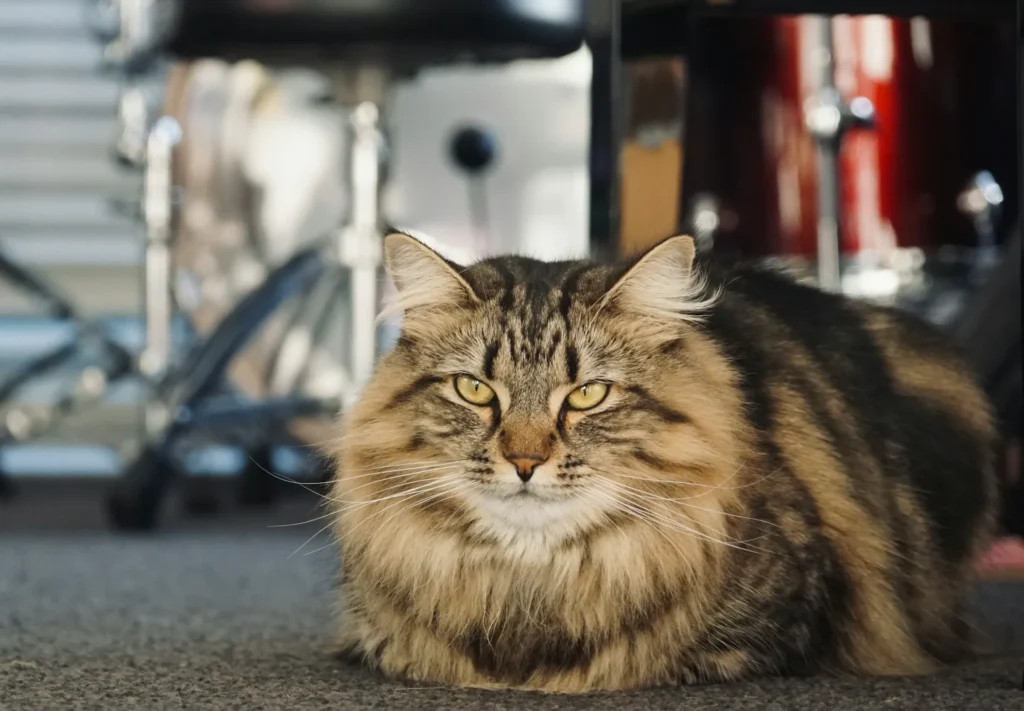
Your cat might spend most of their time lounging on windowsills or claiming the comfiest…
When an emergency strikes, every second counts. Whether it’s sudden breathing trouble, a painful injury,…

You grab your keys, and suddenly your dog’s ears perk up, tail droops, and those…