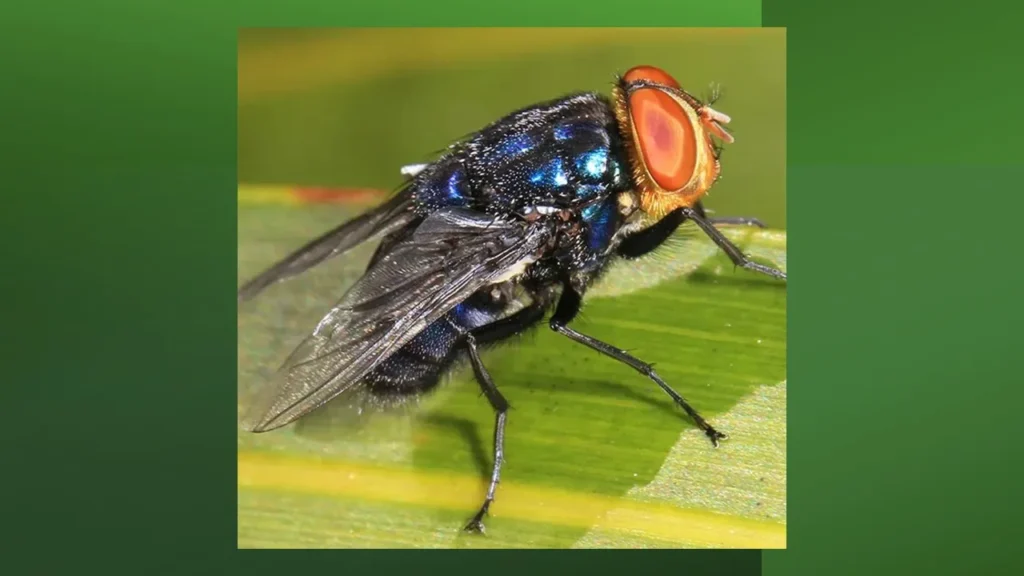
Have recent headlines about the New World screwworm caught your attention? At Taylorsville Veterinary Clinic,…

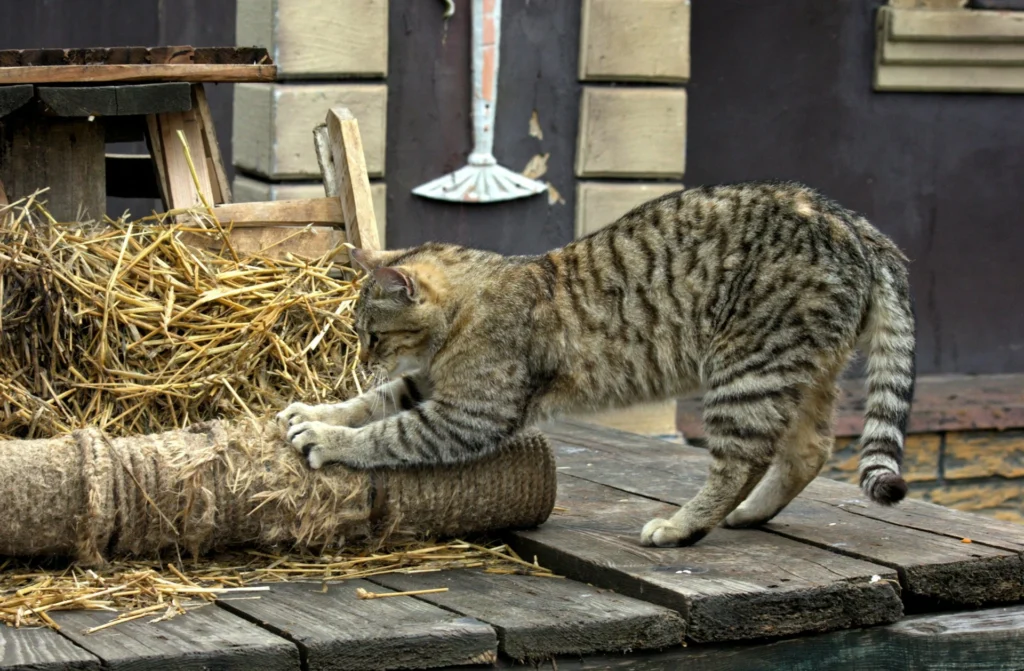
If you’ve ever spent time around a farm, you know that barn cats are more than just charming background characters. They’re adorable and hardworking pest control experts with a strong independent streak. From prowling for mice to guarding the grain to befriending various farm animals, these resilient felines play an important role in rural life. At Taylorsville Veterinary Clinic, our Mt. Airy veterinary clinic team believes barn cat care deserves as much attention as any indoor pet’s wellness.
Barn cats may be self-sufficient, but that doesn’t mean they should fend for themselves entirely. With a little proactive care and attention, you can keep your feline workers healthy, comfortable, and safe year-round—without compromising their independent spirit.
Barn cats are natural hunters who thrive in farm environments where their instincts serve a purpose. They help control rodent populations, which can protect livestock feed, stored grain, and equipment. Their presence alone can deter unwanted pests from taking up residence.
But while they may seem like they live entirely by instinct, barn cats still rely on humans for key aspects of their health. Providing proper nutrition, vaccinations, and shelter ensures they can keep doing their job safely and effectively for years to come.
Your Mt. Airy veterinarians at Taylorsville Veterinary Clinic work closely with farm owners to develop barn cat wellness routines that balance freedom with responsible care.
Speaking of barns, check out our goat care blog here.
Even the most rugged barn cat appreciates a warm, dry place to sleep. Adequate shelter helps protect against temperature extremes, wind, and predators.
Shelter tips:
Providing reliable shelter helps barn cats maintain body heat in cold months and reduces the risk of frostbite or hypothermia.
A common myth is that barn cats can survive solely on what they catch—but rodents alone don’t provide balanced nutrition. Cats are obligate carnivores and need specific nutrients found in complete cat food, such as taurine, to stay healthy.
Even if they hunt daily, always offer supplemental food and fresh water.
Feeding guidelines:
A consistent feeding routine also helps keep cats nearby and allows you to monitor their health. A barn cat that stops showing up for meals may be sick or injured.
Just because barn cats live outdoors doesn’t mean they should skip veterinary visits. Regular checkups help prevent disease outbreaks that can affect entire colonies.
At Taylorsville Veterinary Clinic, we recommend the following for barn cats:
Our Mt. Airy veterinary team can tailor a low-stress care plan for barn cats that includes vaccinations and parasite control on a schedule that fits your farm’s needs.
Humane World For Animals wrote about barn cats in this piece. Chewy did a blog about picking barn cats, which is here.
Barn cats often live in loosely organized colonies. A healthy colony depends on proper population control, disease management, and resource sharing.
Best practices for managing barn cat groups:
A stable, well-fed colony tends to stay healthier, more cooperative, and less aggressive.
One of the biggest challenges in barn cat care is spotting illness early—these cats are experts at hiding pain or weakness. Regular observation makes all the difference.
Watch for:
If you notice any of these signs, call your Mt. Airy veterinary clinic for guidance. Many issues—like upper respiratory infections or dental disease—can be treated quickly when caught early.
Since barn cats spend their lives outdoors, they’re constantly exposed to parasites like fleas, ticks, and intestinal worms. Preventive care keeps them comfortable and protects other animals on your property.
Your veterinarians at Taylorsville Veterinary Clinic can recommend monthly flea and tick preventives that are effective and easy to apply. Regular deworming, especially after hunting-heavy seasons, helps control intestinal parasites.
Don’t forget the environment itself—cleaning feeding areas and keeping barns swept and ventilated helps minimize pest infestations naturally.
Farms can be hazardous places. Curious cats might nap in warm machinery, sneak into feed bins, or weave around livestock. A few precautions can prevent accidents.
Simple awareness goes a long way in preventing injuries.
Not every barn cat will crave human attention—but most appreciate familiar, consistent caretakers. Even semi-feral cats learn to associate people with food and safety.
Tips for positive interaction:
Over time, even shy cats will begin to trust you, allowing for easier health monitoring and care.
Extreme temperatures can be tough on barn cats. Planning ahead keeps them safe year-round.
In winter:
In summer:
Your Mt. Airy veterinarians can advise on additional safety measures depending on your farm’s setup.
Even though barn cats are known for independence, research shows they often form cooperative social groups. They recognize familiar cats, share hunting territories, and even groom one another. So while they may not act cuddly, they’re part of a complex feline community.
When introducing new cats to the property, proper acclimation prevents them from running away. Keep them in a secure, enclosed area (like a stall or crate) for 2–3 weeks while they adjust to the sights and smells of their new home. After release, they’ll recognize the area as their territory and are more likely to stay.
Always ensure new arrivals are vaccinated and sterilized before release to maintain colony health.
Many people think outdoor cats don’t need vet visits, but professional guidance is crucial for long-term wellness. Taylorsville Veterinary Clinic works with farms across Mt. Airy to provide herd-style feline care—efficient, compassionate, and practical.
We can help with:
With the right balance of freedom and oversight, your barn cats can thrive while continuing their important work.
Barn cats might be tough, but they still depend on you for health and safety. Are you searching for a reliable farm vet near me in Mt. Airy, MD? Taylorsville Veterinary Clinic offers preventive care, vaccinations, and wellness support for working cats and rural pets alike.
Call our Mt. Airy veterinary clinic today to schedule a consultation or learn more about maintaining a healthy, happy barn cat colony on your property.
Click here to go to our Services page and learn more about our animal hospital and the services we offer.
This blog is intended for informational purposes only. Always consult your veterinarian for professional medical advice, diagnosis, or treatment specific to your animals.
Have recent headlines about the New World screwworm caught your attention? At Taylorsville Veterinary Clinic,…

Saying goodbye to a beloved pet is one of the hardest parts of sharing your…
If you’ve ever spent time around a farm, you know that barn cats are more…
Your cat might spend most of their time lounging on windowsills or claiming the comfiest…
When an emergency strikes, every second counts. Whether it’s sudden breathing trouble, a painful injury,…

You grab your keys, and suddenly your dog’s ears perk up, tail droops, and those…